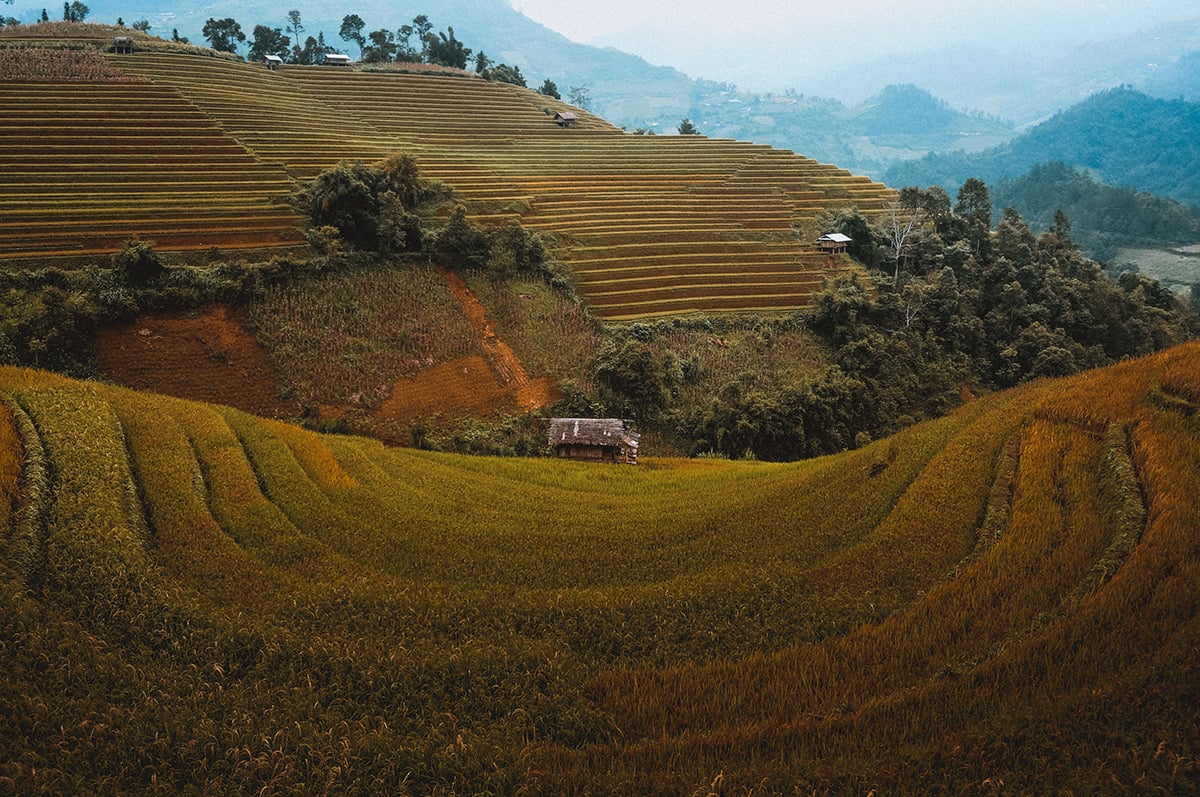
Nestled in the Hoàng Liên Son Mountains of northern Vietnam, Sapa is a breathtaking destination known for its terraced rice fields, vibrant hill tribes, and stunning landscapes. Whether you’re an avid trekker, a culture enthusiast, or simply seeking a peaceful retreat, Sapa has something for everyone. Here’s your ultimate guide to making the most of your trip to this enchanting region.
When to Visit Sapa
- Best Time: The ideal time to visit Sapa is from March to May or September to November. During these months, the weather is mild, and the rice terraces are either lush and green or golden and ready for harvest.
- Rainy Season: June to August brings heavy rainfall, which can make trekking challenging.
- Winter: December to February can be cold and foggy, but it’s a great time to experience Sapa’s unique “cloud hunting” phenomenon.
How to Get to Sapa
- From Hanoi: The most common way to reach Sapa is by taking an overnight train or bus from Hanoi to Lào Cai, followed by a short drive to Sapa. The journey takes about 8-9 hours.
- By Motorbike: For adventurous travelers, renting a motorbike in Hanoi and riding to Sapa is an unforgettable experience, though it requires careful planning and good driving skills.
Top Things to Do in Sapa
- Trek Through Rice Terraces:
Sapa’s terraced rice fields are its most iconic feature. Popular trekking routes include Cat Cat Village, Lao Chai Village, and Ta Van Village. Hire a local guide to learn about the culture and history of the area. - Visit Local Markets:
Explore vibrant markets like Bac Ha Market (on Sundays) or Sapa Market to experience the local culture, buy handmade crafts, and sample traditional foods. - Conquer Fansipan Mountain:
Known as the “Roof of Indochina,” Fansipan is the highest peak in Vietnam. You can hike to the summit or take a cable car for stunning views of the surrounding mountains. - Experience Hill Tribe Culture:
Sapa is home to several ethnic minority groups, including the H’mong, Dao, and Tay people. Visit their villages to learn about their traditions, clothing, and way of life. - Relax at Love Waterfall and Silver Waterfall:
These two waterfalls are popular spots for photography and relaxation. The surrounding forests and streams add to their natural beauty.
Where to Stay in Sapa
- Luxury: Topas Ecolodge offers stunning views and eco-friendly accommodations.
- Mid-Range: Sapa Horizon Hotel provides comfortable rooms with beautiful mountain views.
- Budget: Homestays in villages like Ta Van or Lao Chai offer an authentic cultural experience.
Sapa Travel Tips
- Pack Appropriately: Bring layers, as the weather can change quickly. Sturdy hiking shoes are a must for trekking.
- Respect Local Culture: Always ask for permission before taking photos of people or their homes.
- Hire a Local Guide: A guide can enhance your experience by sharing insights about the culture and ensuring you don’t get lost on the trails.
- Stay Hydrated and Bring Snacks: Trekking can be physically demanding, so carry water and energy-boosting snacks.
- Bargain Respectfully: When shopping at local markets, bargaining is expected, but do so politely and with a smile.
Why Visit Sapa?
Sapa is a place where nature and culture come together in perfect harmony. Its stunning landscapes, rich traditions, and warm hospitality make it a must-visit destination in Vietnam. Whether you’re trekking through rice terraces, exploring vibrant markets, or simply soaking in the mountain views, Sapa promises an unforgettable adventure.
So, pack your bags, lace up your hiking boots, and get ready to explore the magic of Sapa!